Full G road test · Lesson 1 of 6
Before Your G Test
The G test builds on the skills you already use in everyday driving. It adds the need to read faster traffic, plan highway movements and maintain control while conditions change. Start preparing with the parts of highway driving that still need deliberate practice.
Know what you are preparing for
Format checked September 2026: DriveTest currently uses a modified G test at full-time centres. It omits parallel parking, roadside stops, three-point turns and residential driving. Part-time Travel Point locations continue to use the standard test. Check the current notice before your appointment.
The core preparation in this chapter applies to both: major-road driving, intersections, turns, lane changes, highway entry, spacing and highway exit. Keep your earlier manoeuvre skills ready if you are taking the standard test.
Check your highway experience
You must honestly declare your qualifying highway experience. DriveTest currently requires at least five trips in the previous three months on highways posted at 80 km/h or higher and/or the listed 400-series and other qualifying expressways. You must also report the average trip distance. Check the official declaration guidance before your appointment.
Keep a simple practice log: date, road, approximate distance and one skill to improve. Meeting the declaration requirement is only the starting point. If merging still needs urgent coaching, arrange more supervised practice before the test.
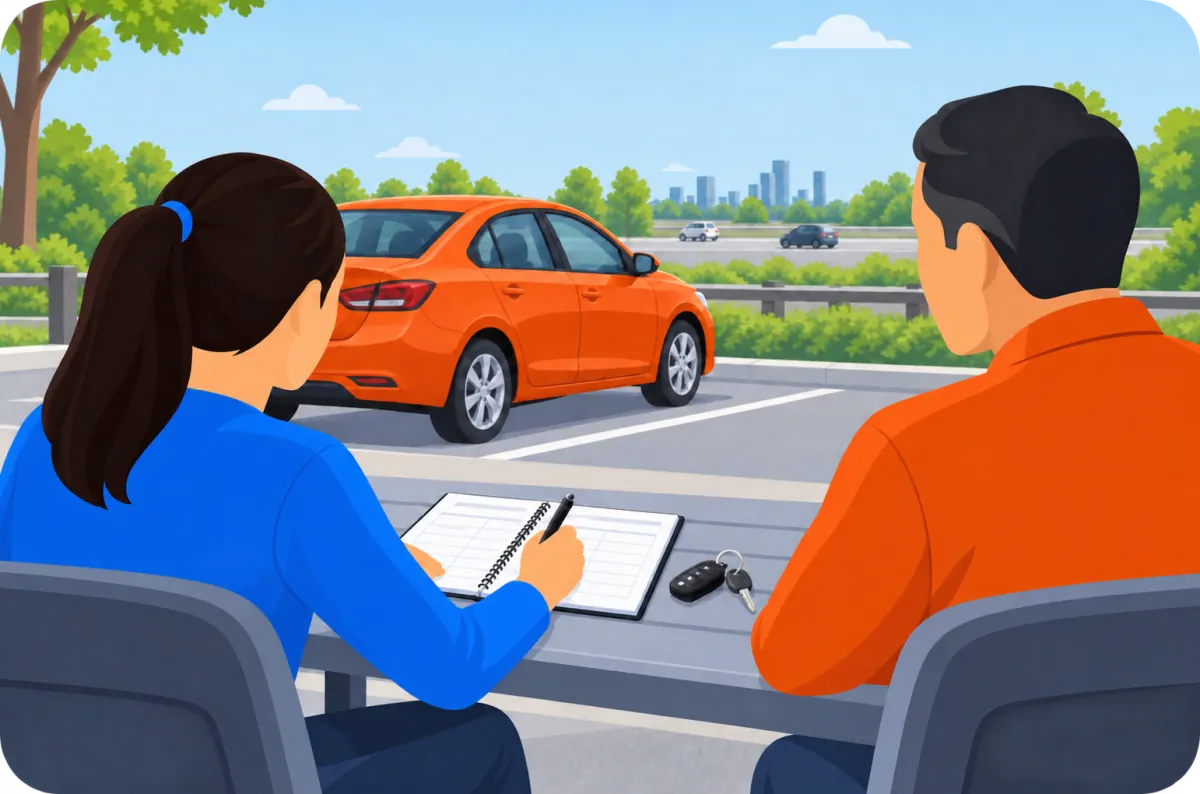
Prepare the car and yourself
- Documents: Bring your current licence, booking confirmation and required corrective lenses. Have vehicle registration and insurance available.
- Vehicle: Check tires, brakes, lights, horn, seat belts, mirrors and clear windows. Make sure fuel or battery charge is sufficient.
- Setup: Adjust the seat and mirrors, learn the controls and secure loose items before leaving.
- Arrival: Arrive at least 30 minutes early, check in and follow the waiting instructions.
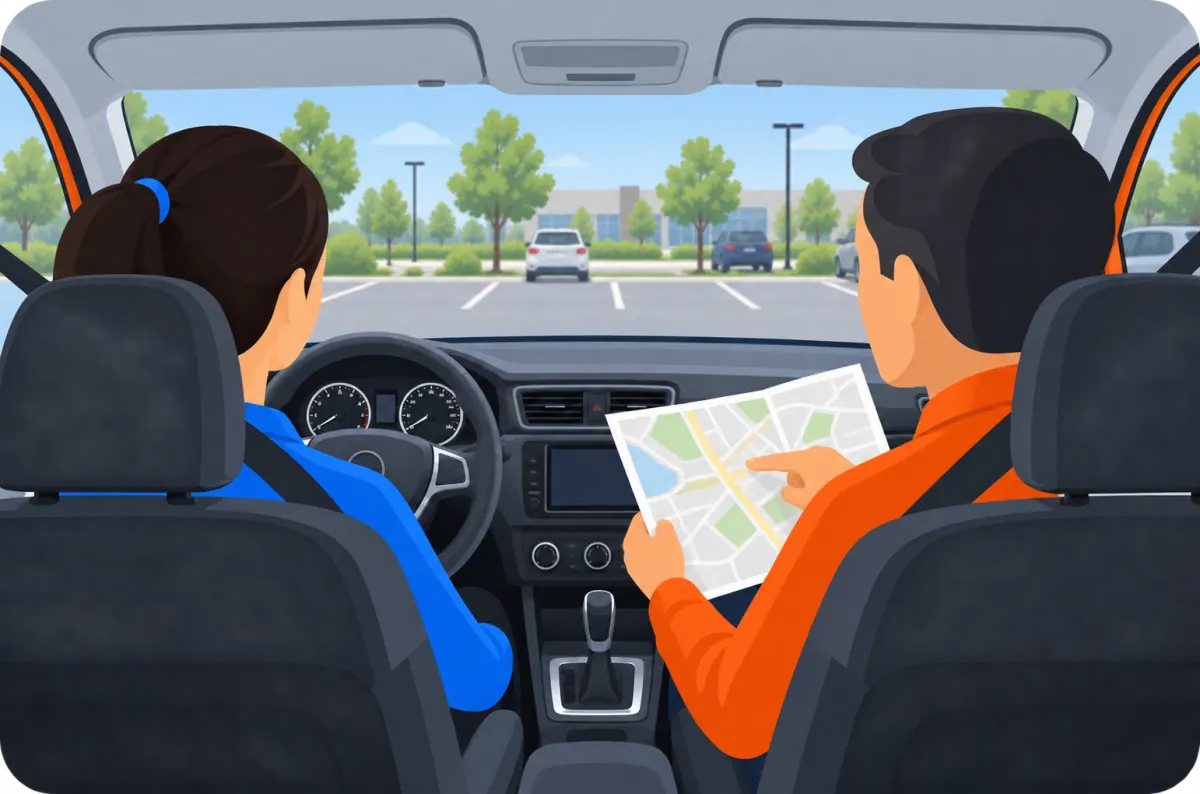
Use the app's checklist to organise the preparation, while following the current test format confirmed above. Review the rules for recording devices and electronic driving aids before the appointment. Demonstrate observation and control yourself rather than depending on those systems.
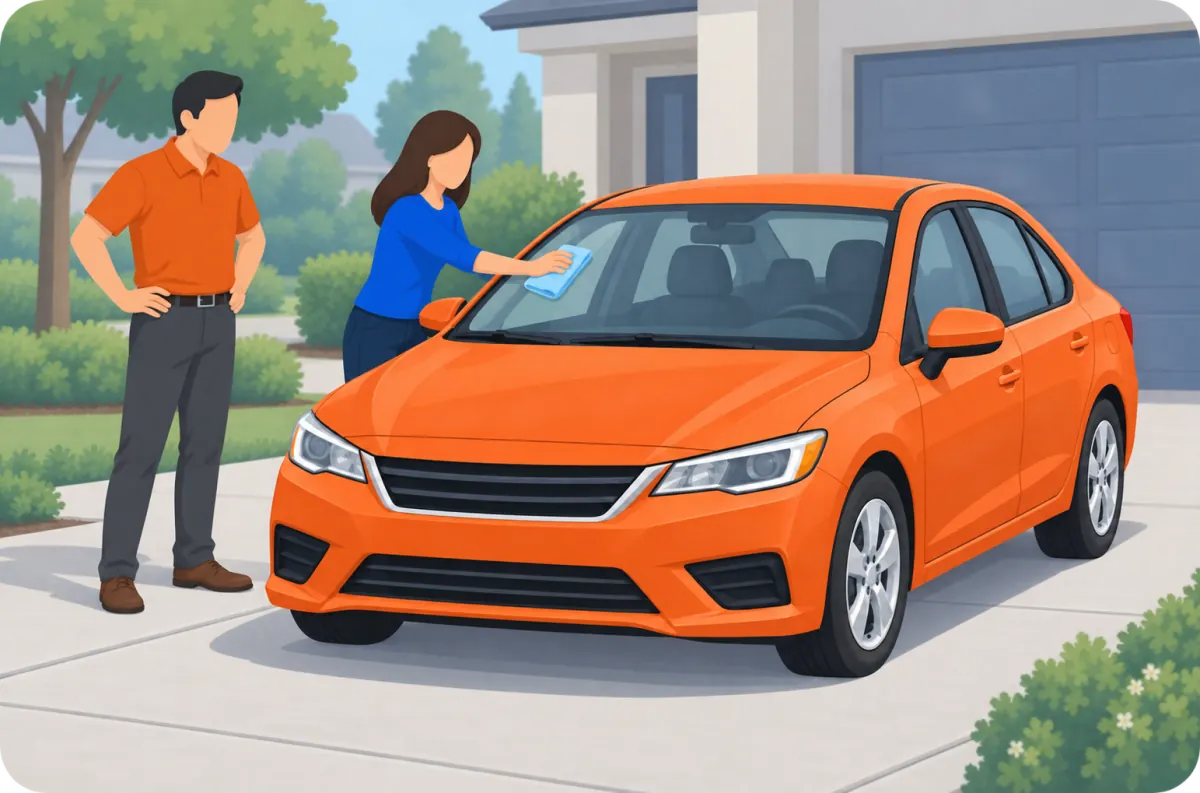
Make your practice specific
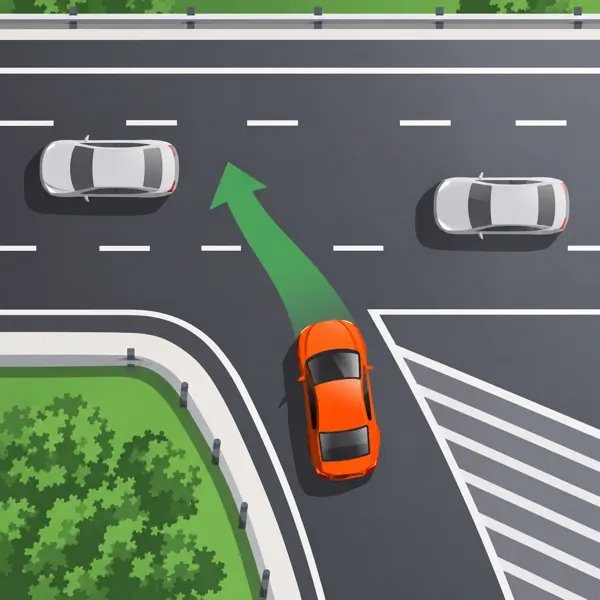
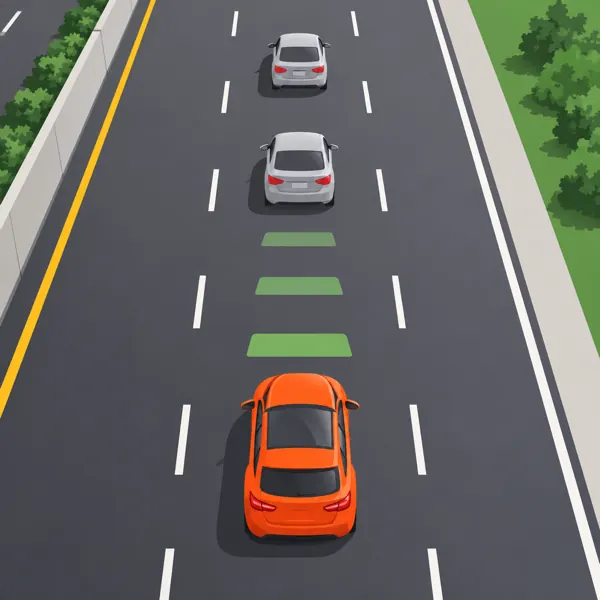
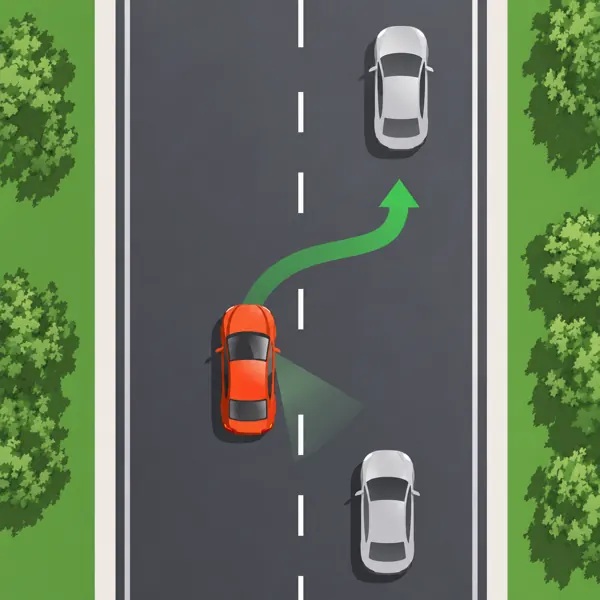
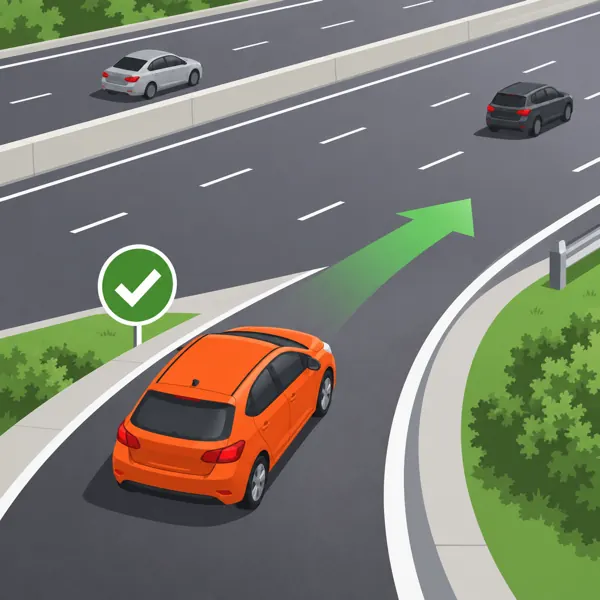
Try a drive that joins ordinary roads, a highway entrance, highway travel and an exit. Notice the transitions. Can you build speed after a ramp, judge a gap without drifting, and return to local-road speeds after exiting?
Your goal
Make safe decisions early enough that the car stays smooth and other drivers can understand your intentions.
Ask your instructor to identify one recurring habit to address. A short, focused practice session on that habit is more useful than repeating a familiar trip without feedback.