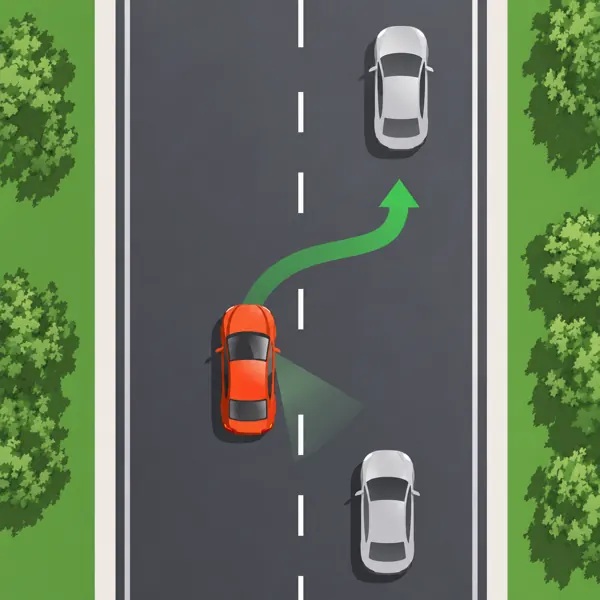
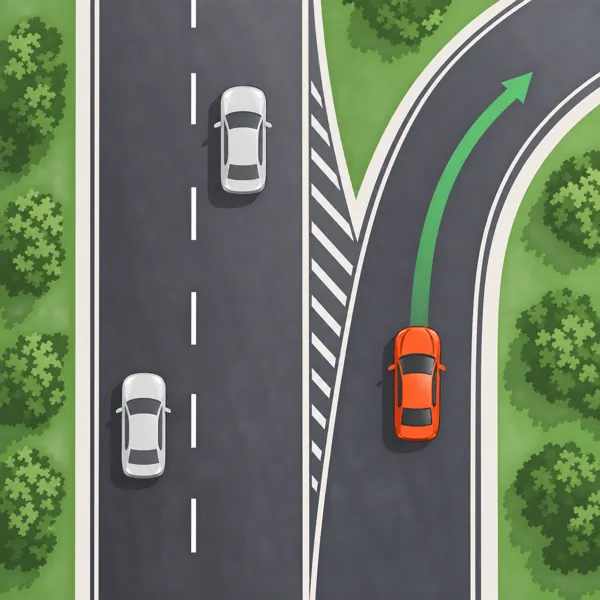
Full G road test · Lesson 6 of 6
City Driving and a Strong Finish
The G test still requires careful driving away from the highway. Busy roads, turns and parking-lot entrances test whether your observation stays consistent as the setting changes.
Keep checking on major roads
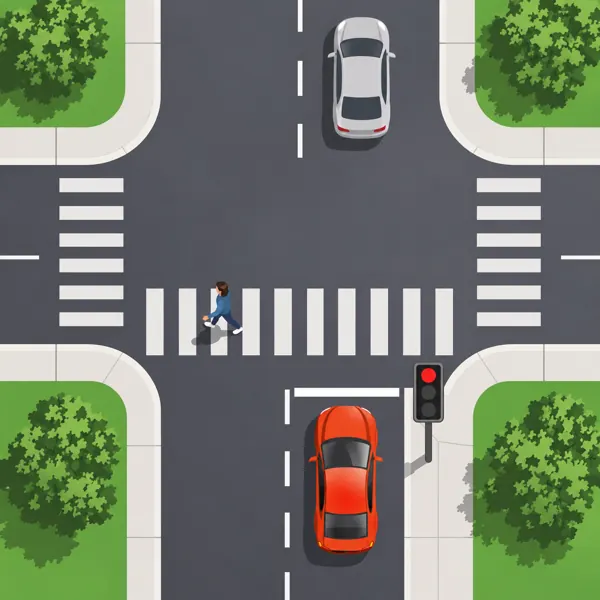
Look for vehicles entering from driveways, people near crossings and traffic preparing to turn. Watch speed signs and lane arrows. Use brief mirror checks before slowing or changing position, while keeping your main attention on the path ahead.
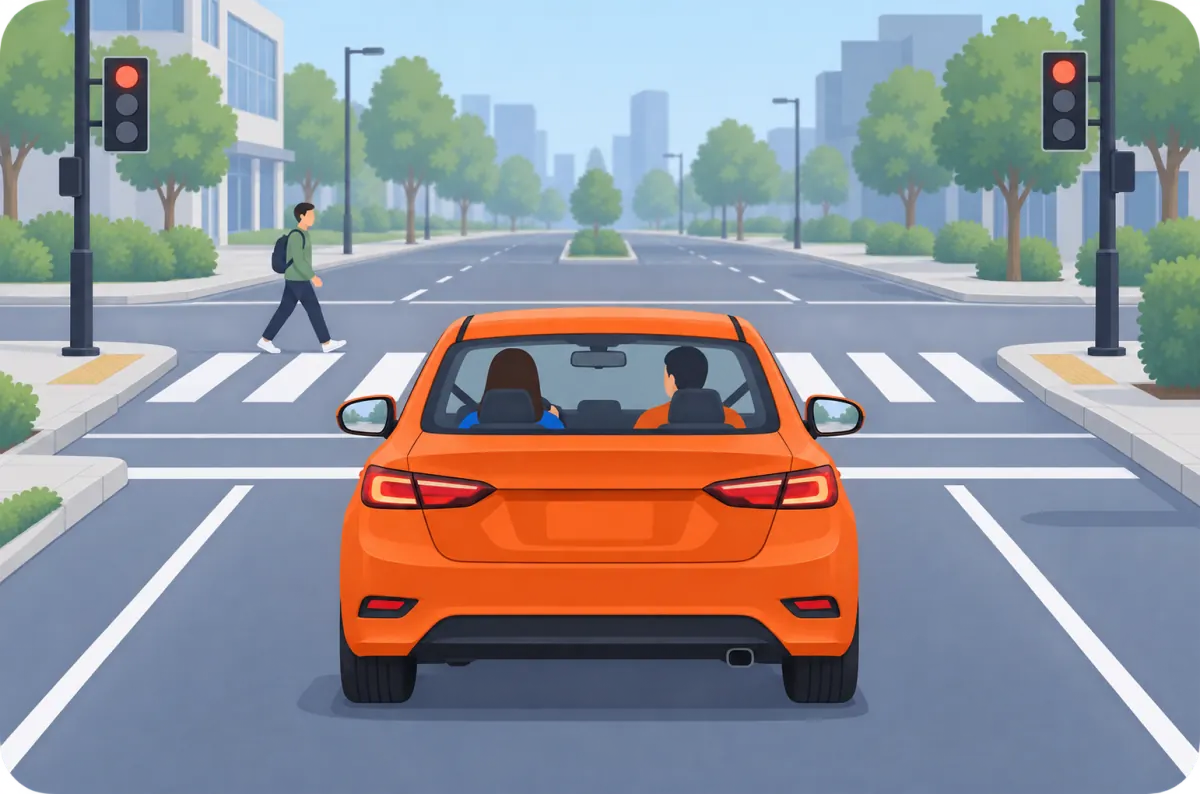
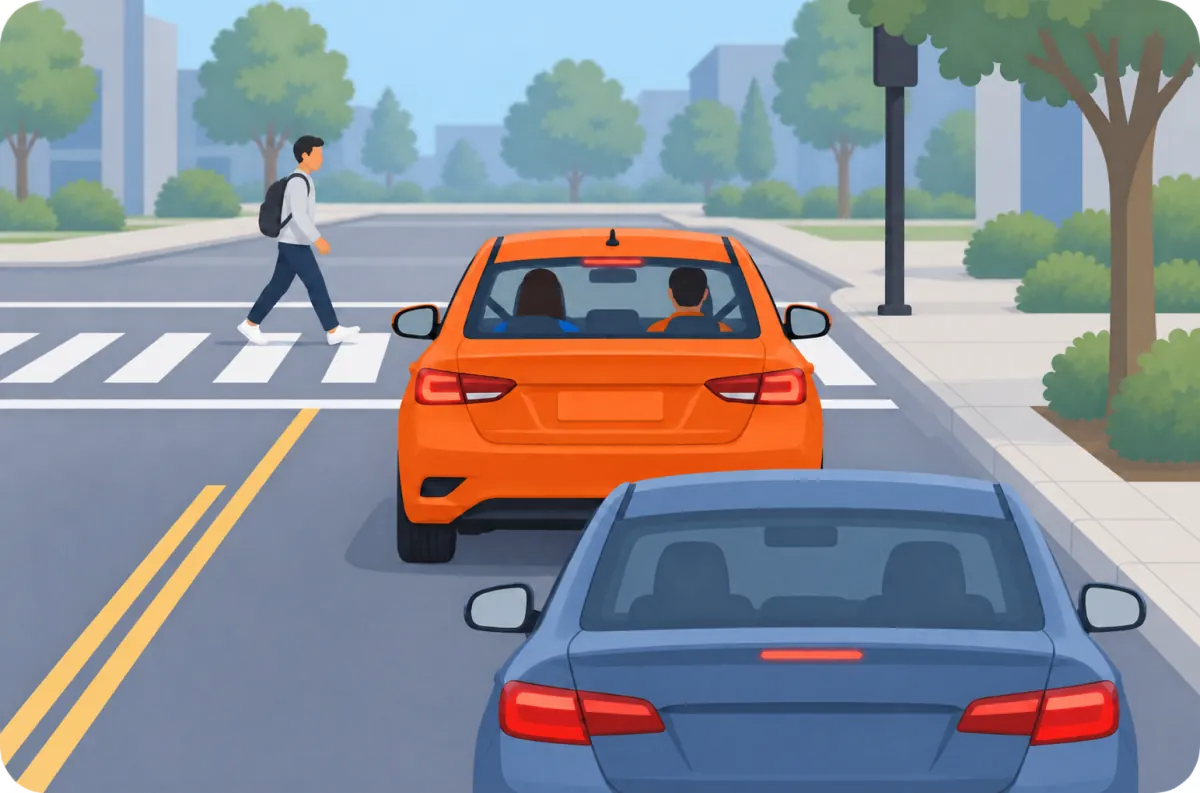
At a green light, scan for traffic that could cross your path. At a stop sign or red light, stop fully in the correct position. When waiting, keep observing so you notice a pedestrian arriving, a lane becoming blocked or a traffic signal changing.
For a turn, prepare the lane and signal early, reduce speed before steering and check the relevant blind spot. Yield to pedestrians and cyclists. On a left turn, keep the wheels straight while waiting and do not turn until the view and gap are suitable.
Deal with pressure predictably
A driver behind you may honk or follow too closely. Keep your decisions based on the road ahead. Take a suitable gap when it is available, but do not move into a conflict to satisfy another driver.
If a direction is unclear, ask for it to be repeated. If you cannot safely complete it, keep following the road legally. Do not suddenly change lanes, make a prohibited turn or stop where other drivers would not expect it.
An imperfect movement needs your attention only long enough to correct it safely. Then return to the next hazard. You can review the drive after parking.
Stay attentive to the end
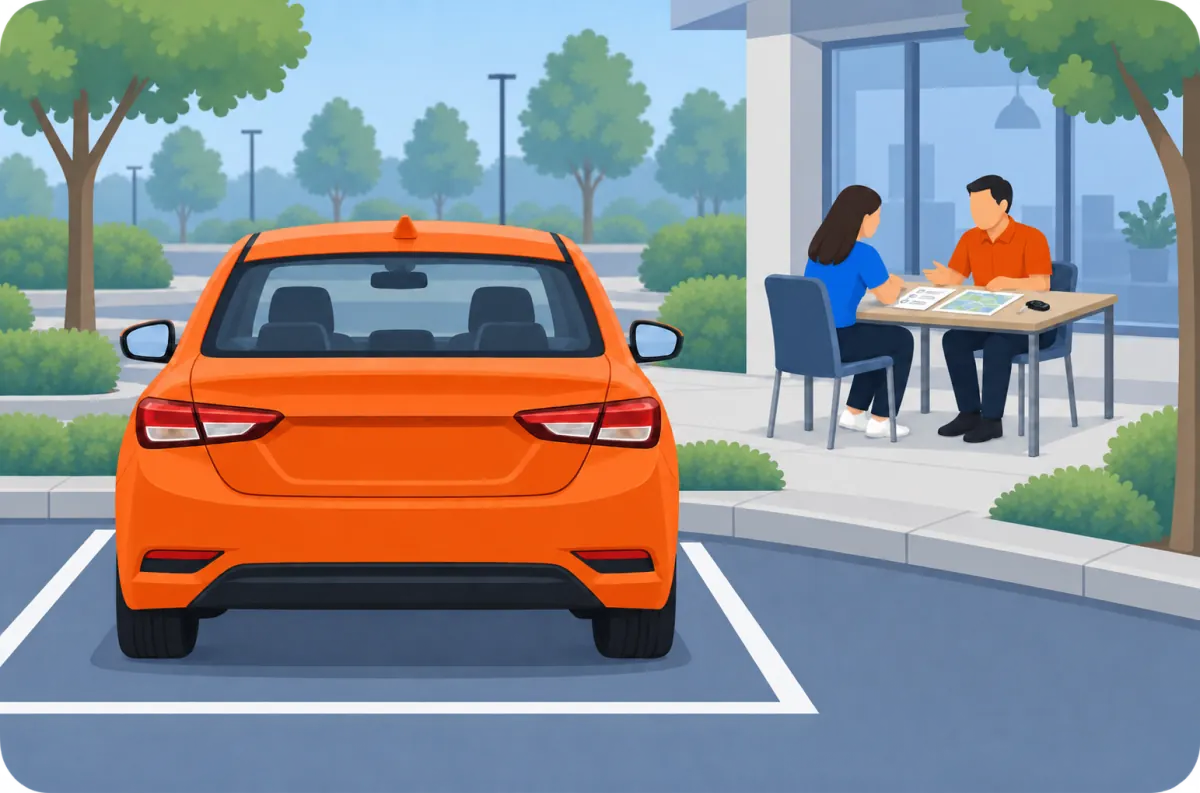
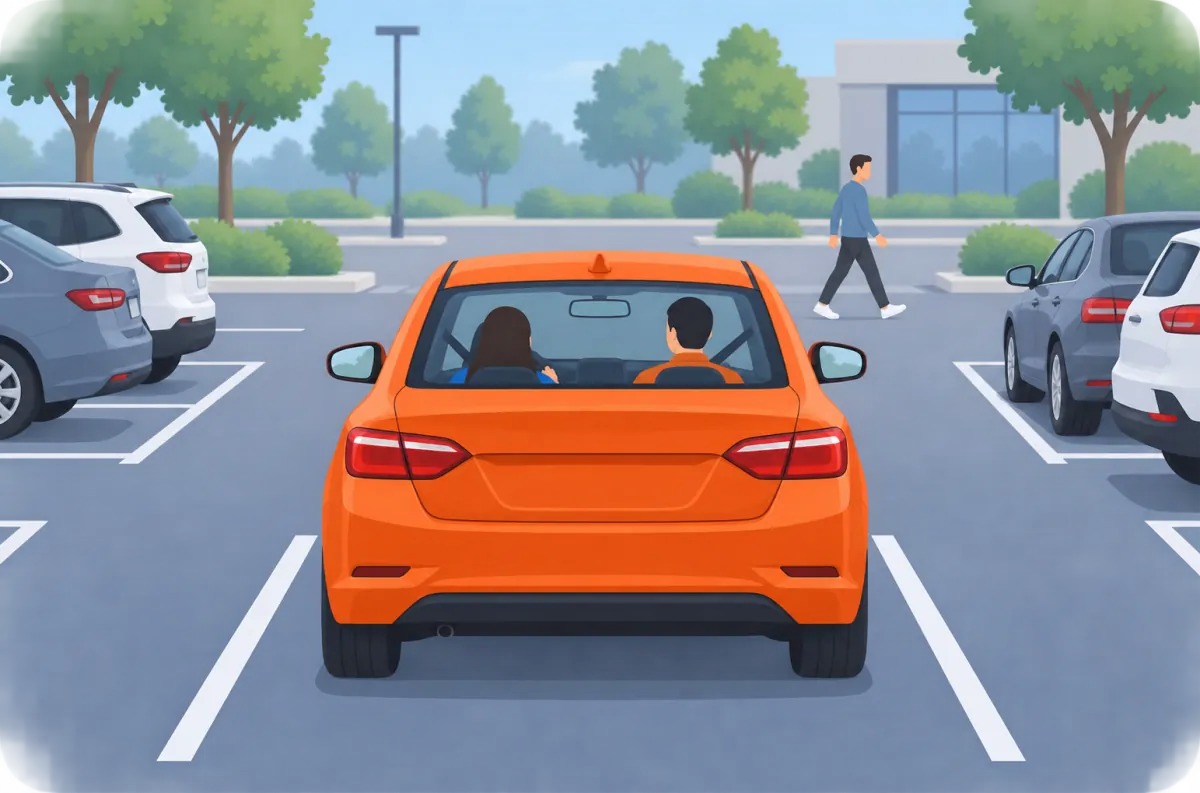
In the final parking area, reduce speed and watch between vehicles. Continue signalling and checking before turns or sideways movements. Park as directed, secure the vehicle and listen to the examiner's feedback.
After a pass, follow the instructions to complete the licence upgrade. If the result is unsuccessful, use the feedback to choose what to practise next. Avoid repeating the same drive without addressing the reason for the error.
Put the chapter into practice
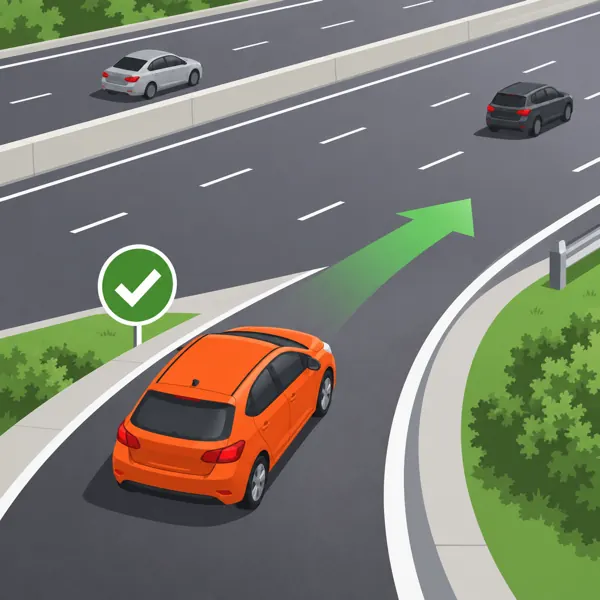
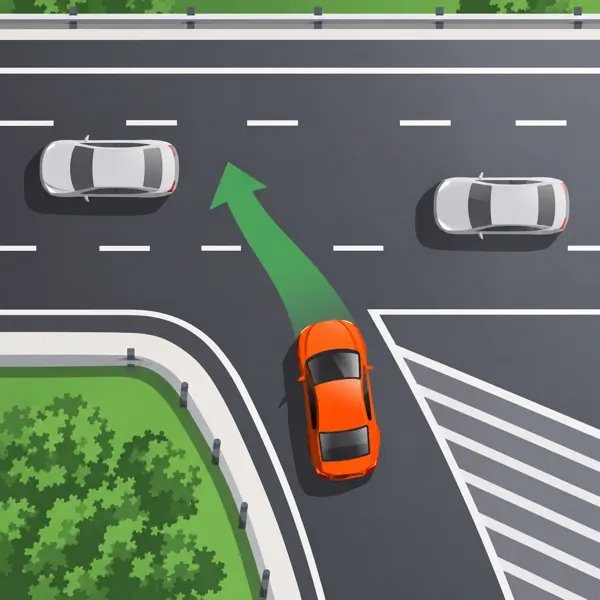
Ask an instructor to give you a varied drive with highway entry and exit, lane changes, controlled intersections and ordinary business-area traffic. Review these questions afterwards:
- Did I identify a highway gap while there was still room to adjust?
- Did I maintain speed and lane position during observation checks?
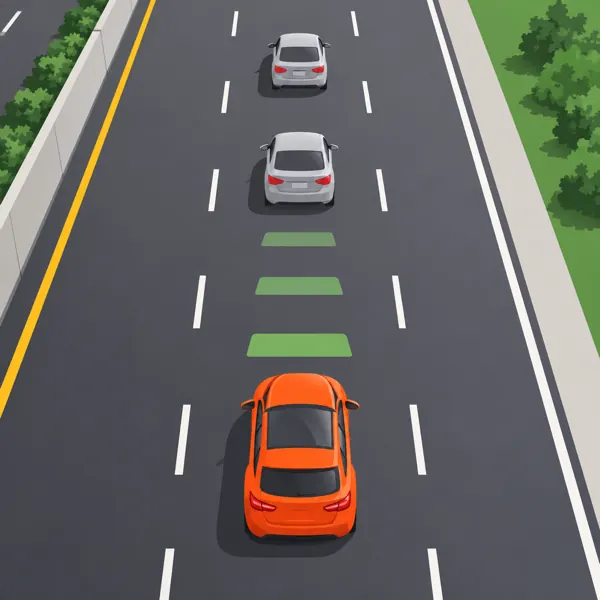
- Did I leave useful space after merging or changing lanes?
- Did I return to local-road speeds and keep observing until parked?
Readiness means consistency
Aim to perform these skills without routine reminders, across more than one familiar road.