G2 road test · Lesson 1 of 6
Before Your G2 Test
The G2 test checks whether you can handle everyday driving safely and make decisions without coaching. Your preparation starts before the car moves. A familiar vehicle, working equipment and an unhurried arrival give you more attention for the drive itself.
Get ready before test day
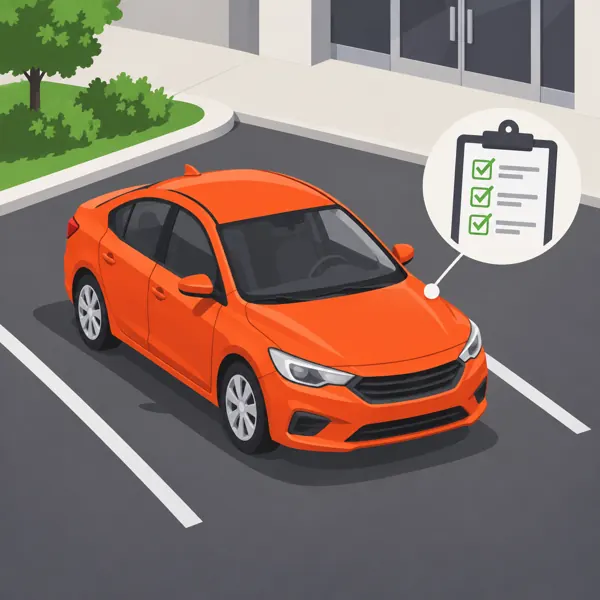
Practise starting, stopping, turning, changing lanes, reversing and parking in different traffic conditions. Use a qualified accompanying driver and follow your G1 licence restrictions. Ask them to give directions without reminders for part of a practice drive. Notice which tasks still need prompting.
Use Roadity's checklist to find gaps in your preparation. Reading a step is a useful start; performing it consistently is the next step.
Check the vehicle
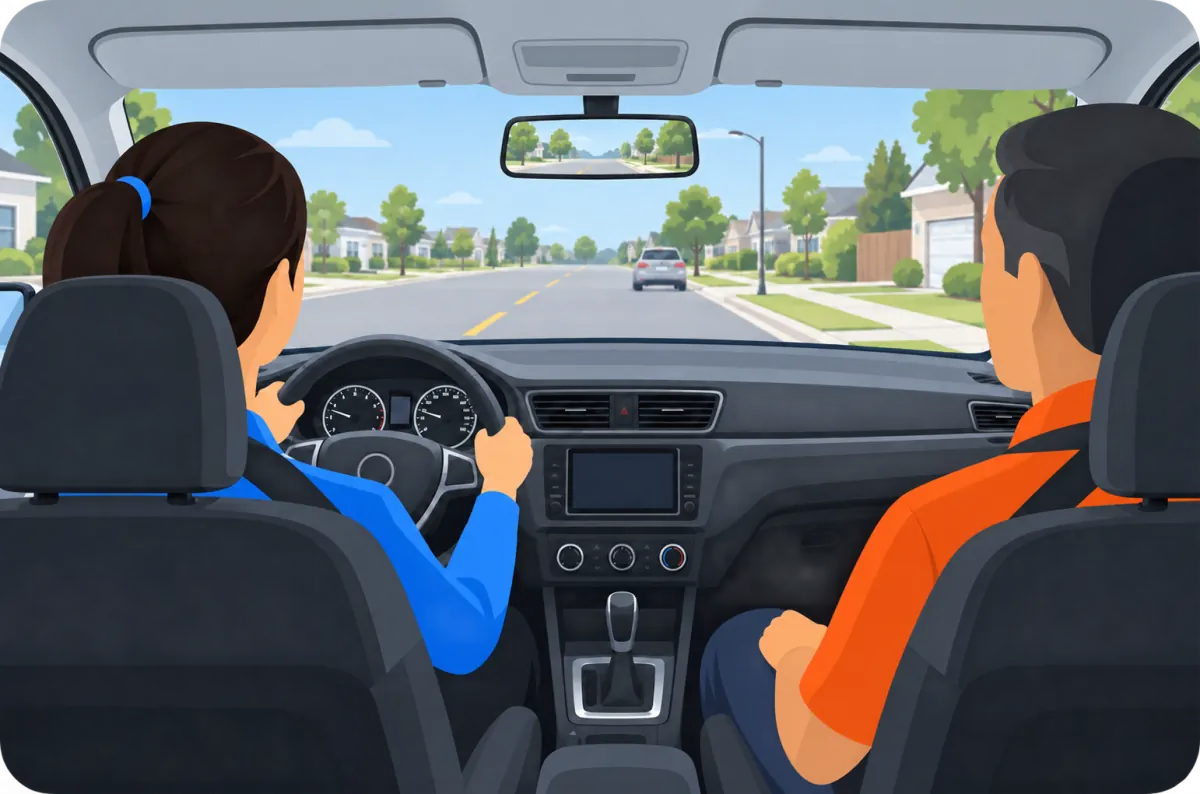
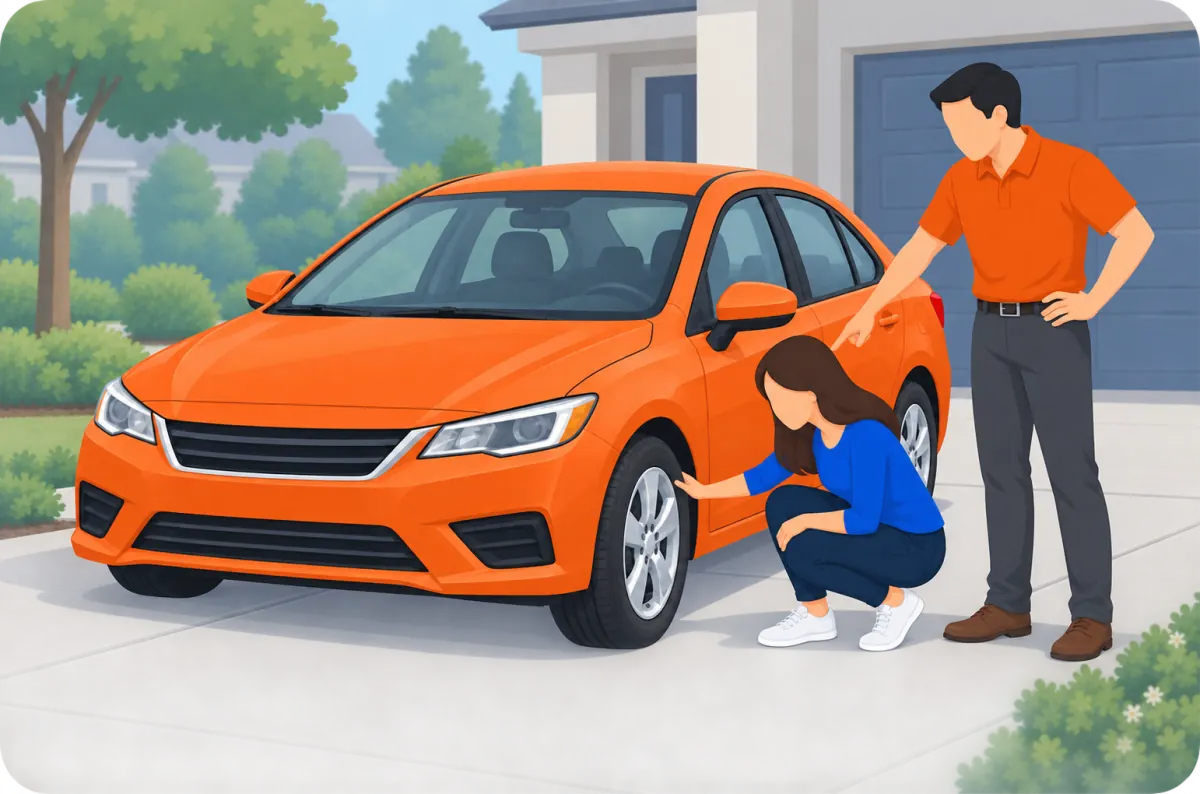
- Visibility: Clean the windows and mirrors. Check the wipers, washer fluid and defroster. Clear anything that obstructs the view.
- Safety equipment: Check signals, brake lights, headlights, horn, seat belts, brakes and tires. Make sure the doors work and the passenger seat is clear.
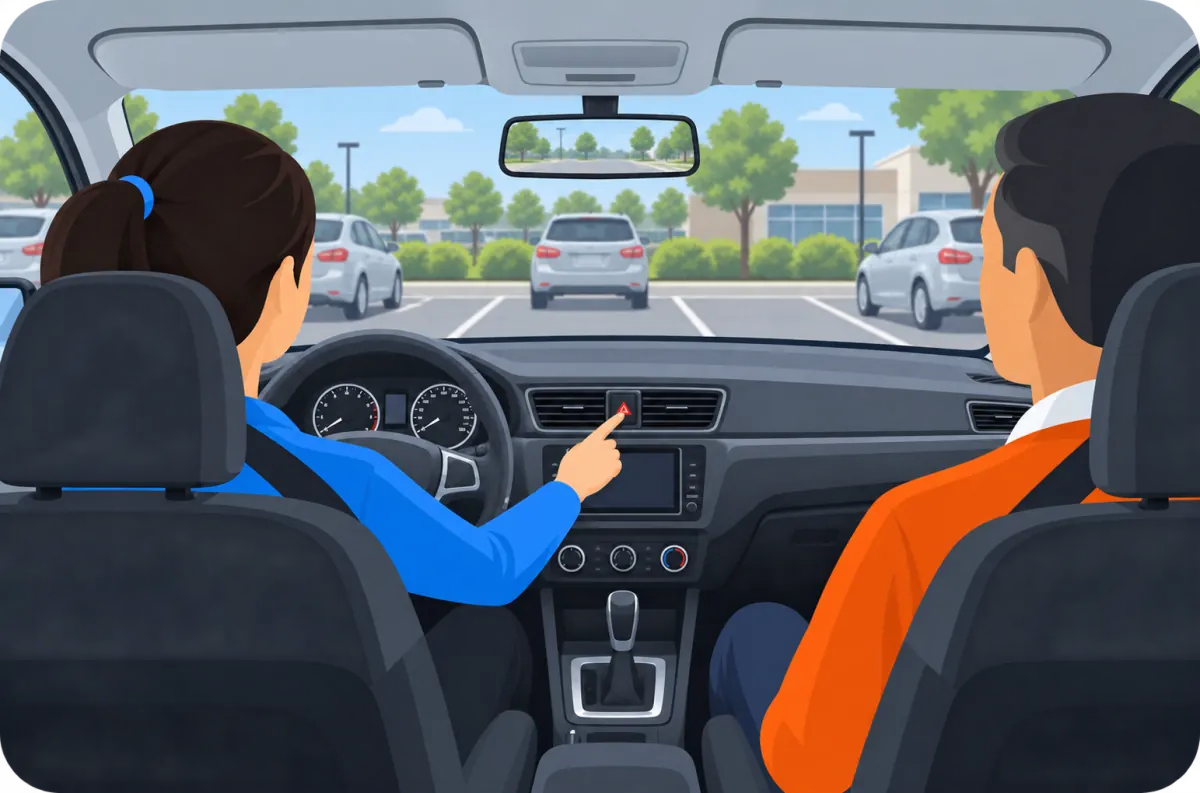
- Controls: Locate the hazard lights, parking brake and other controls without searching while driving.
- Fuel or charge: Leave enough for the test and your journey home.
A vehicle problem can prevent the test from starting. Arrange repairs beforehand, including when you borrow or rent the car.
Arrive and settle in
Bring your current licence, appointment confirmation and any glasses or contact lenses required for driving. Have the vehicle registration and insurance available. Arrive at least 30 minutes early, check in, and follow the instructions about waiting at your vehicle. Know its plate number and where you parked.
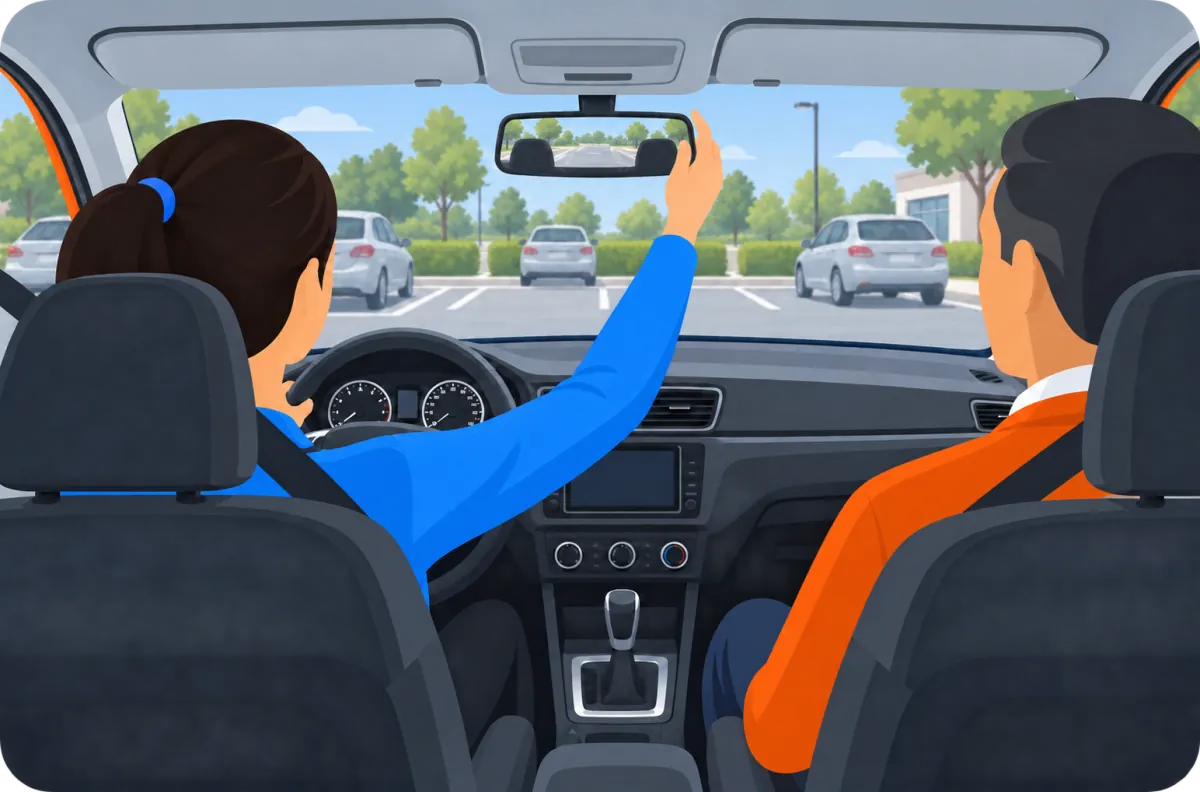
Before moving, adjust the seat and mirrors, fasten your seat belt and make sure everyone is ready. Silence your phone and follow DriveTest's recording-device requirements. Be prepared to demonstrate the lights and horn when asked.
The examiner explains the test and gives directions. Ask for clarification if you do not understand a direction. You still decide when a movement is safe.
Keep this in mind
Feeling nervous does not decide the result. Give yourself time to observe and make the next safe decision.
Try this before your appointment
While parked, complete the full setup without help. Then explain how you will check around the car before leaving the space. If a control is unfamiliar, learn it now rather than during the test.