G2 road test · Lesson 5 of 6
Stops, Hills and Turnarounds
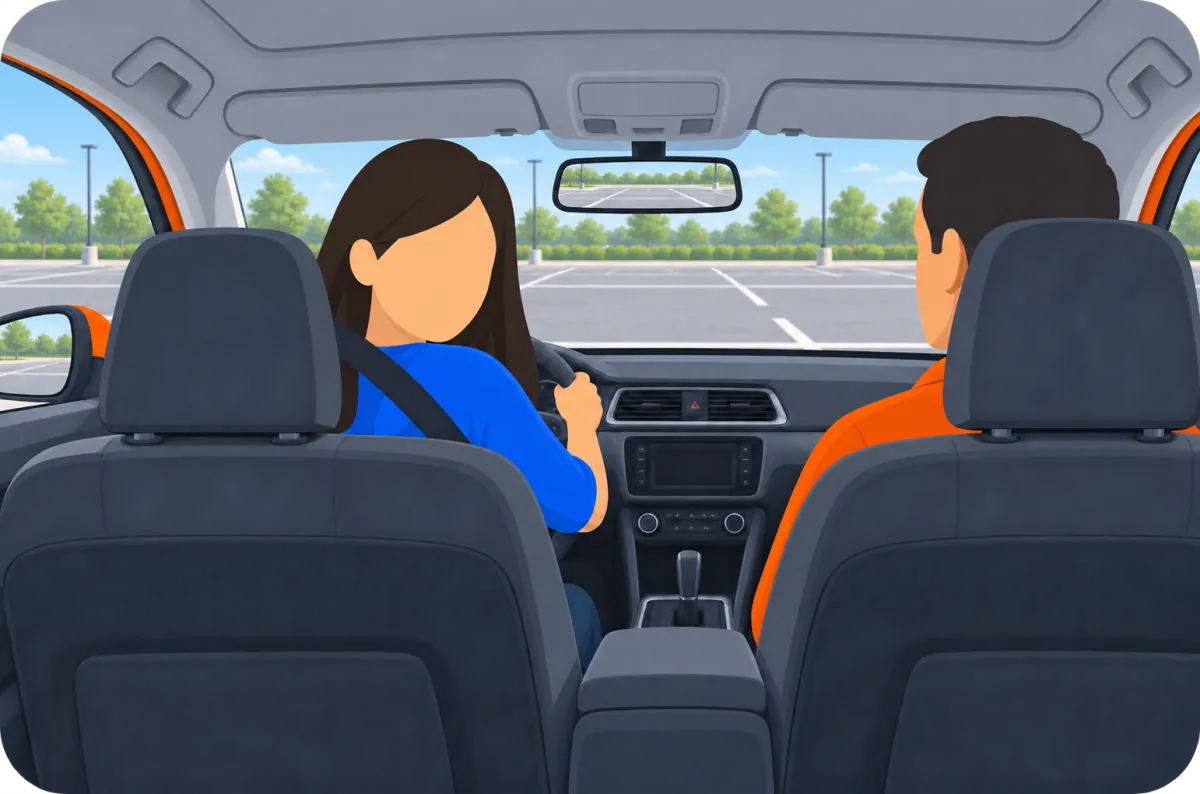
These manoeuvres happen at low speed, but traffic can still approach quickly. Take time to choose a suitable location and check again whenever you change direction.
Pull over and move away safely
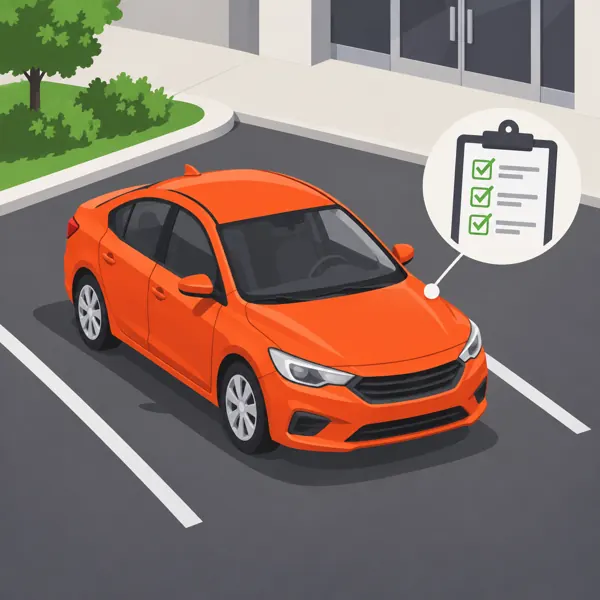
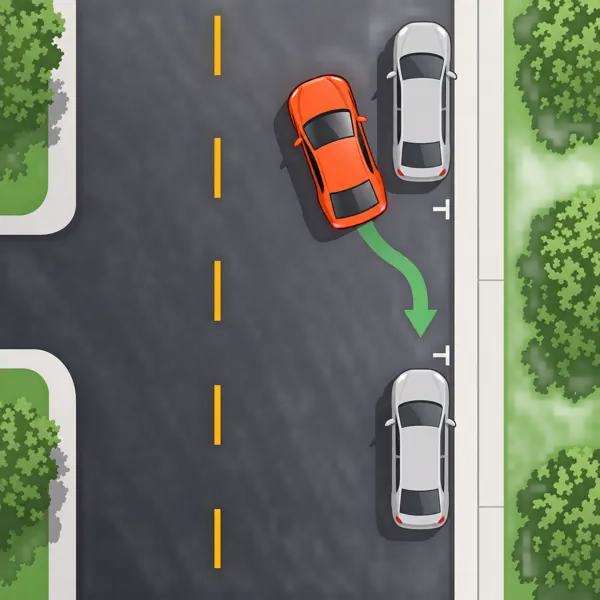
For a roadside stop, check the mirrors, signal right and look over your right shoulder. Choose a legal, visible position clear of intersections, driveways and other obstructions. Pull in smoothly, parallel to the road edge, and stop without touching or climbing the curb.
Secure the car with the appropriate gear and parking brake. For a roadside-stop exercise, cancel the turn signal and use the hazard lights as appropriate to the task. Listen to the instruction before moving again.
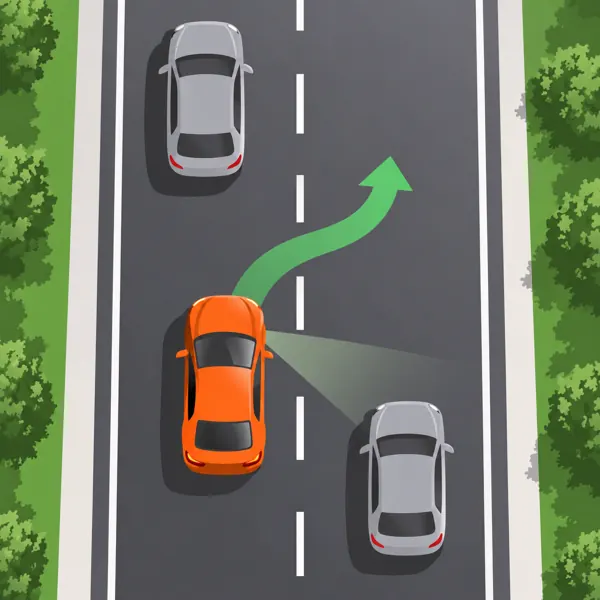
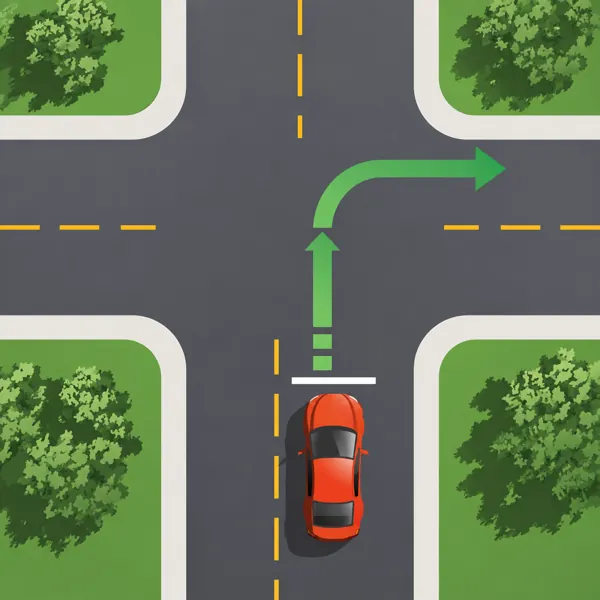
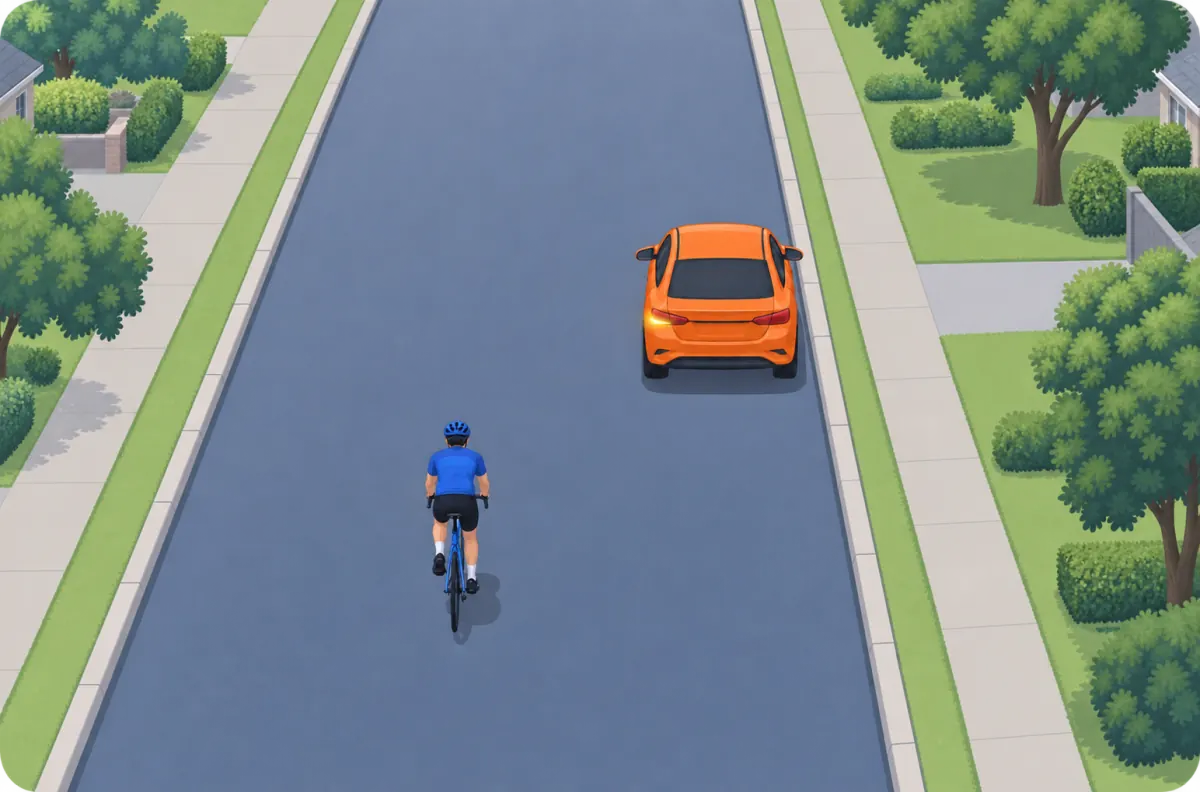
To leave, keep the car held while preparing the gear and parking brake. Turn off the hazards, signal left and check mirrors and the left blind spot. Yield to traffic and cyclists. Move away only when there is room, then accelerate smoothly and cancel the signal.
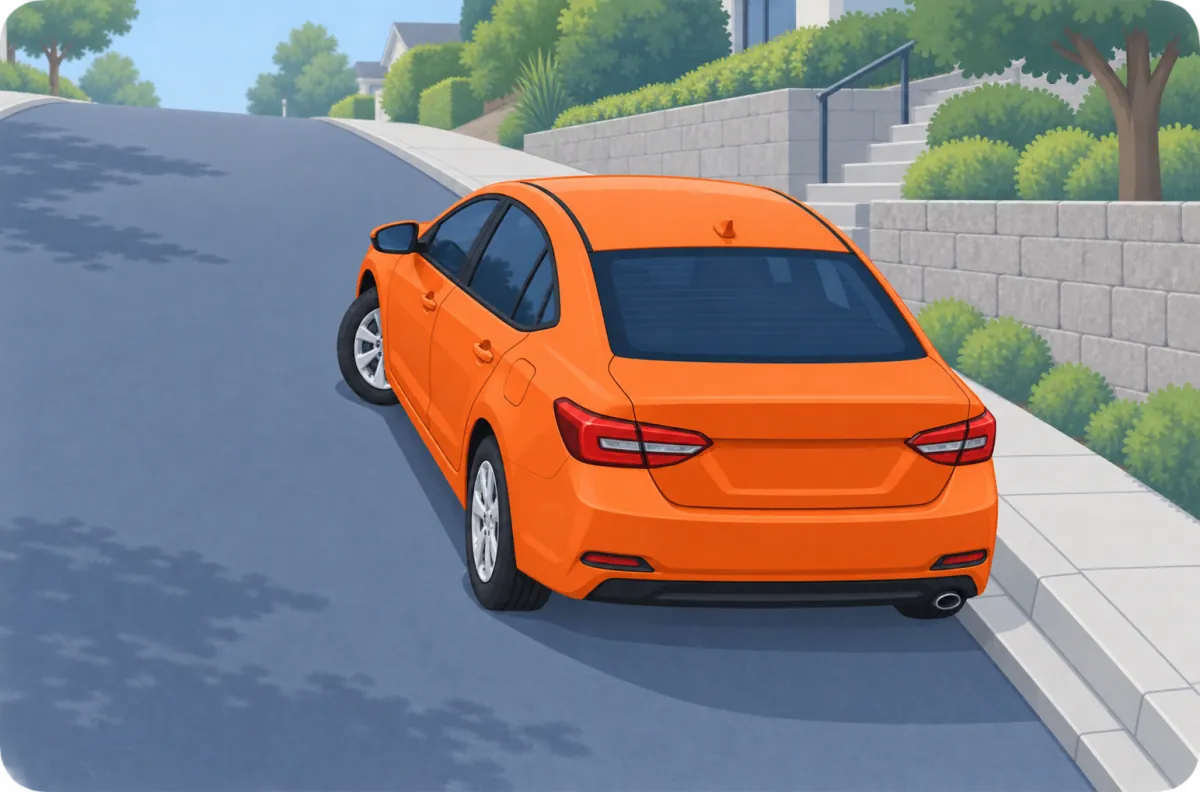
Set the wheels for a hill
For ordinary parking on the right side of the road, remember these three cases:
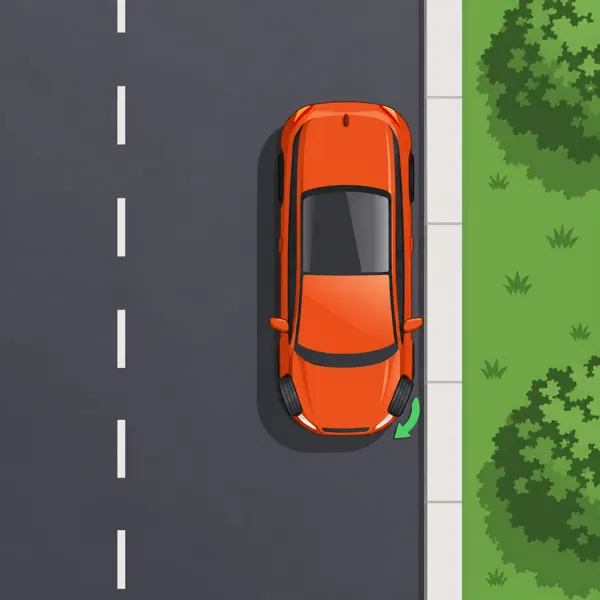
- Downhill, with or without a curb: Turn the front wheels right, toward the curb or shoulder.
- Uphill with a curb: Turn the front wheels left, away from the curb, so the curb can restrain the car if it rolls back.
- Uphill without a curb: Turn the front wheels right, toward the road edge.
Use the parking brake and the correct parking gear. When starting again, hold the car securely as you prepare to move so it does not roll into traffic or the vehicle behind. Practise your car's parking-brake procedure before test day.
Make a three-point turn
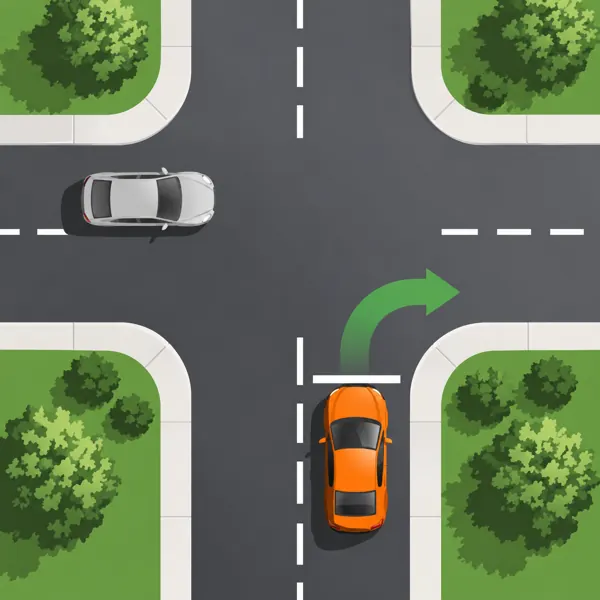
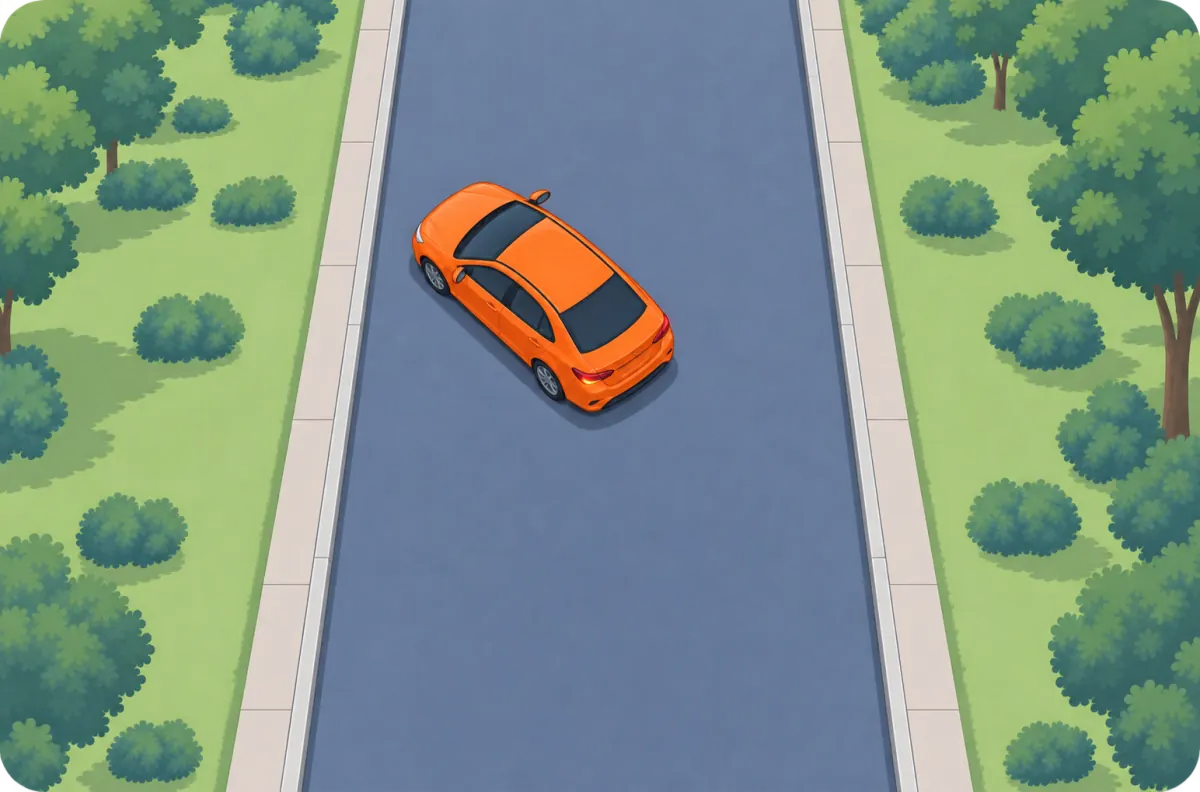
Choose a location where the manoeuvre is permitted and you can see traffic clearly in both directions. Avoid hills, curves and places where the view is restricted.
- Pull over to the right safely. Check ahead, behind and over your shoulder, then signal left.
- When clear, move slowly across the road with the steering turned left. Stop before the opposite edge.
- Check all around again. Reverse slowly while steering right, looking in the direction of travel. Stop before the original road edge.
- Recheck traffic, select the forward gear, and turn left into the correct lane to complete the manoeuvre.
Keep the car stationary during gear changes. If someone enters your path, stop and let the situation become safe before continuing.
Practice check
Before a hill stop, say which way the wheels should face and why. During a three-point turn, have your accompanying driver watch whether you make a fresh traffic check before every movement. Those checks matter more than rushing to finish in three movements.