G2 road test · Lesson 2 of 6
Observation and Lane Changes
Good observation gives you time to drive smoothly. The aim is to understand what is happening around the car, then use that information before you brake, turn or move sideways.
Build a useful scanning habit
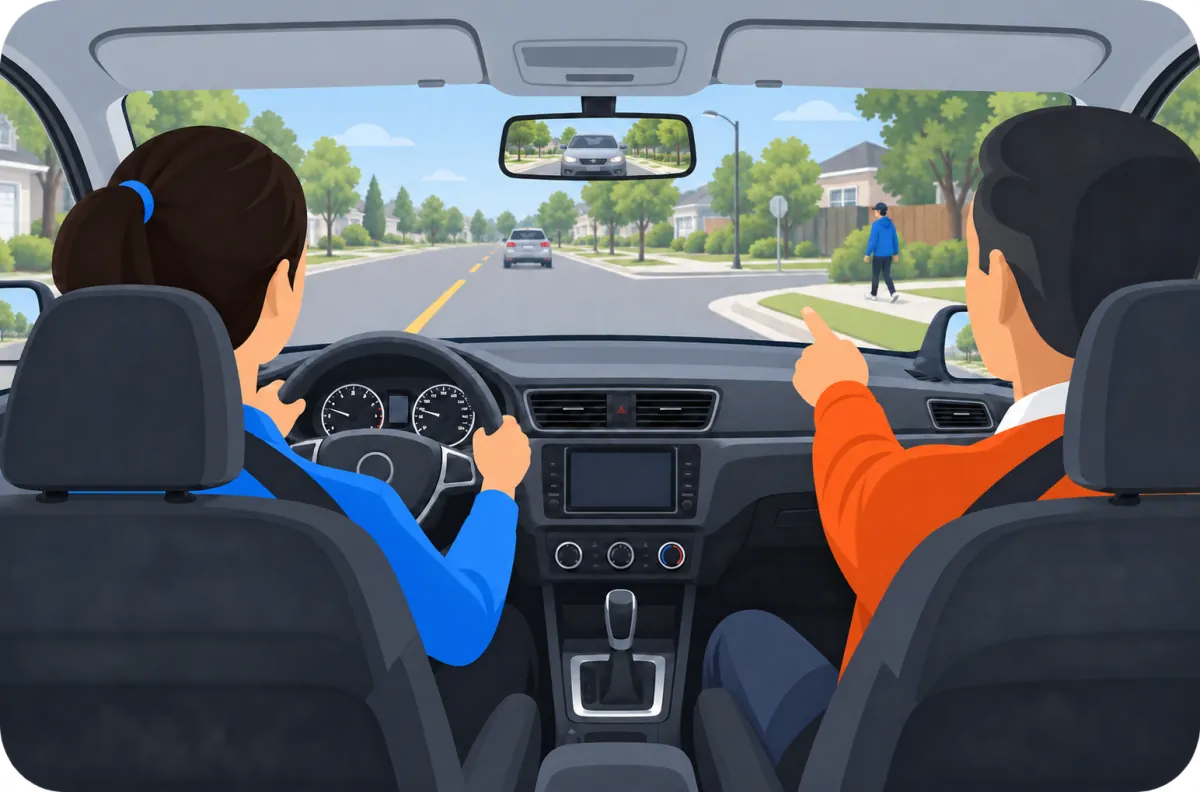
Look well along your path and notice side streets, driveways, pedestrians and parked vehicles. Check mirrors regularly and before changing speed or position. Keep each glance brief so your attention returns to the road ahead.
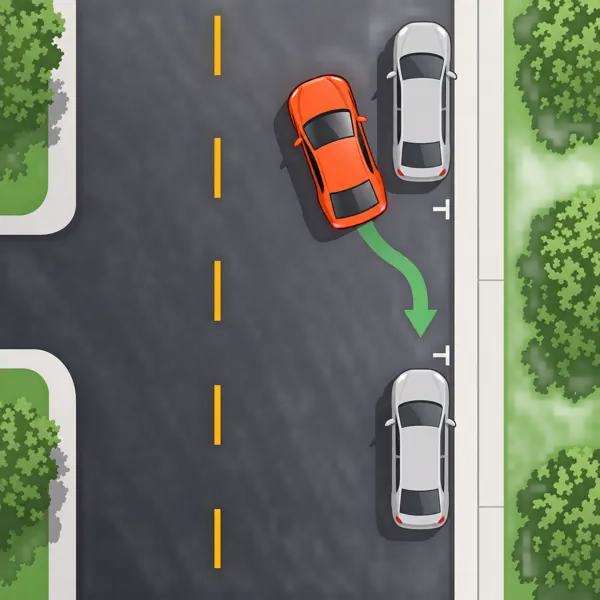
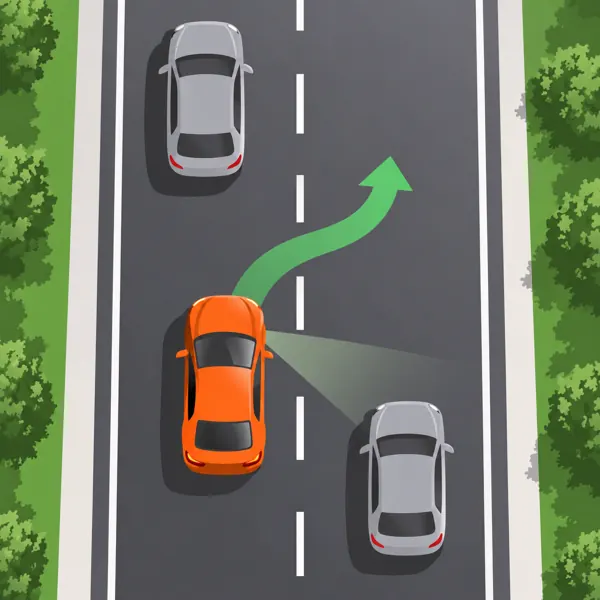
Mirrors leave blind spots. Before leaving a curb, changing lanes or moving around an obstruction, look over the appropriate shoulder. Check before the car starts moving sideways. Keep your steering steady while you look.
Observation has a purpose. A head movement without noticing the cyclist beside you does not make the movement safe. Check naturally and thoroughly, without holding your gaze away from the road.
Choose speed for the situation
Read speed signs as you drive, including signs for school areas and construction. Stay within the limit and reduce speed when visibility, traffic, surface conditions or nearby hazards require it. Driving unnecessarily slowly on a clear road can also make your actions difficult to predict.
Use small accelerator adjustments. Ease off early when a stop is developing, then brake smoothly. On a downhill section, make brief speedometer checks so the car does not gradually gain speed unnoticed.
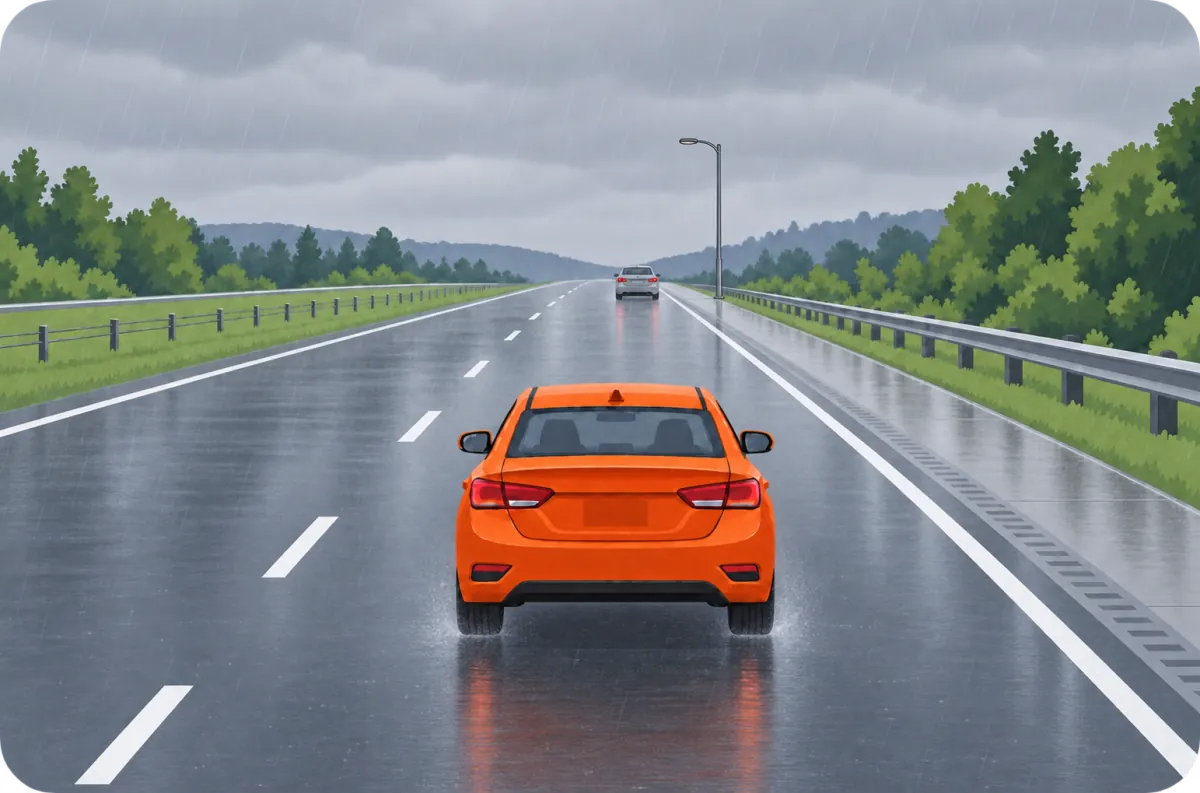
Leave a following gap that gives you time to respond. A three-second practice target in good conditions provides a useful margin; increase it when conditions worsen. Pick a roadside object, count after the vehicle ahead passes it, and check whether you reach it too soon.
Change lanes with a plan
- Check the road ahead, rear-view mirror, relevant side mirror and blind spot. Find room both ahead and behind in the next lane.
- Signal your intention early enough for others to understand it.
- Recheck the gap and your blind spot just before moving. A gap can change while you wait.
- Move smoothly into the next lane without cutting anyone off. Maintain an appropriate speed and cancel the signal once established.
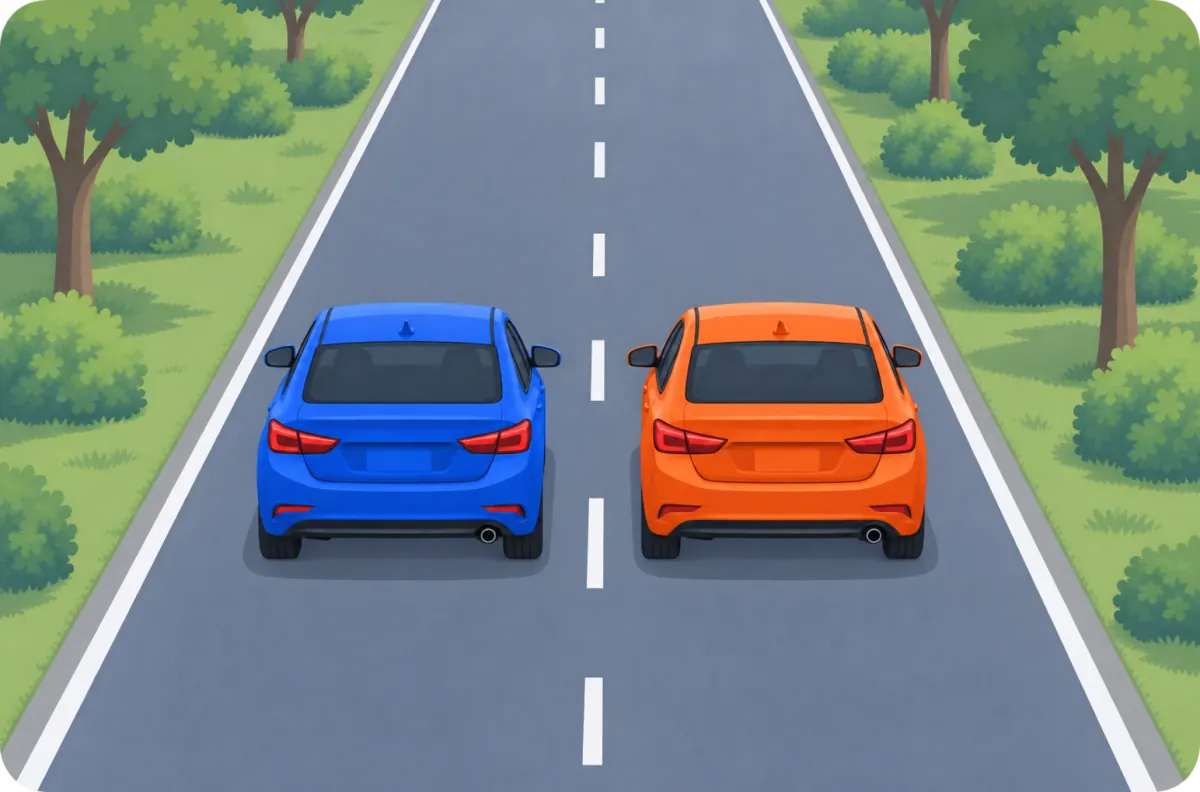
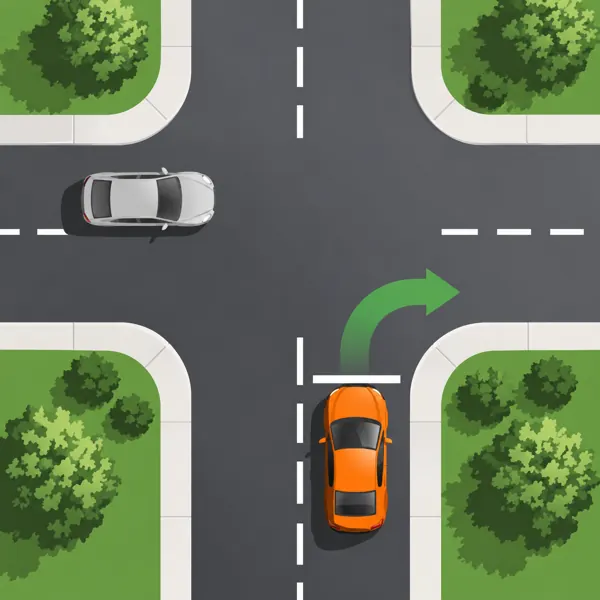
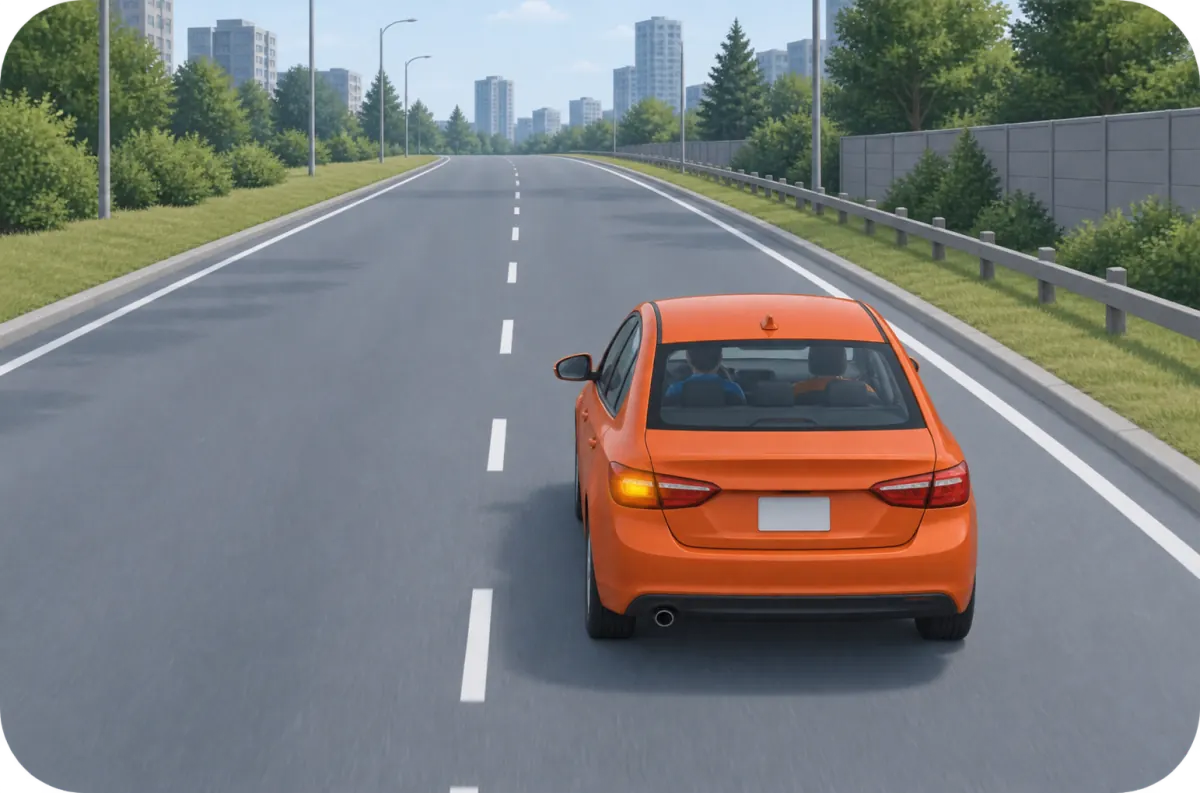
If another vehicle is alongside, keep your lane and reassess. A small, safe speed adjustment may create room behind it. Do not force a gap, brake abruptly or change lanes through an intersection.
Practise the decision
Ask your accompanying driver to request a lane change when traffic allows. Afterwards, describe the gap you chose and the vehicle you checked behind you. If you cannot explain what you saw, work on observation before adding more traffic.
Remember
The signal communicates your intention. It does not give you priority.